


Living in a rural home offers unique charms from quiet nights to open spaces. But this lifestyle also brings certain risks. One of the most serious dangers is the threat of wildfires. These fires can spread quickly and destroy everything in their path.
I have spent years observing how these events unfold. I have seen the devastation they cause and the immense stress they place on families and communities. Protecting your property from a wildfire is not just about luck it is about smart planning and consistent effort.
Today I want to share some proven strategies. We can tackle the wildfire threat for rural homes head on. We will explore practical steps you can take to make your property safer and more resilient.
Understanding the Wildfire Threat to Rural Homes
Wildfires pose a constant danger to many rural areas. These fires can start from natural causes like lightning strikes. They can also begin with human activity such as unattended campfires or sparks from equipment. Once a fire starts in dry brush or dense forests it can quickly become an unstoppable force.
Rural homes are especially vulnerable because they are often surrounded by natural vegetation. This vegetation acts as fuel for a fire. Access for emergency services can also be limited. Roads may be narrow or unpaved making it hard for fire trucks to reach properties quickly.
I have personally seen how rapidly fire can move across landscapes. It travels through dry grass and up into tree canopies. This movement can make a small fire turn into a huge inferno in minutes. Understanding the specific risks in your area is the first step in protecting your home and family.
The Role of Weather and Topography
Weather conditions greatly influence how wildfires behave. Hot dry weather combined with strong winds creates a perfect recipe for rapid fire spread. The wind pushes flames and sparks carrying them far ahead of the main fire front. This creates new ignition points.
The lay of the land also plays a big part. Fires move faster uphill because the flames preheat the fuels above them. Steep slopes can act like chimneys drawing fire upwards. Homes located on or near ridgelines or steep canyons face a higher risk. I always advise homeowners to consider these factors when assessing their personal threat level.
Creating a Defensible Space Around Your Property
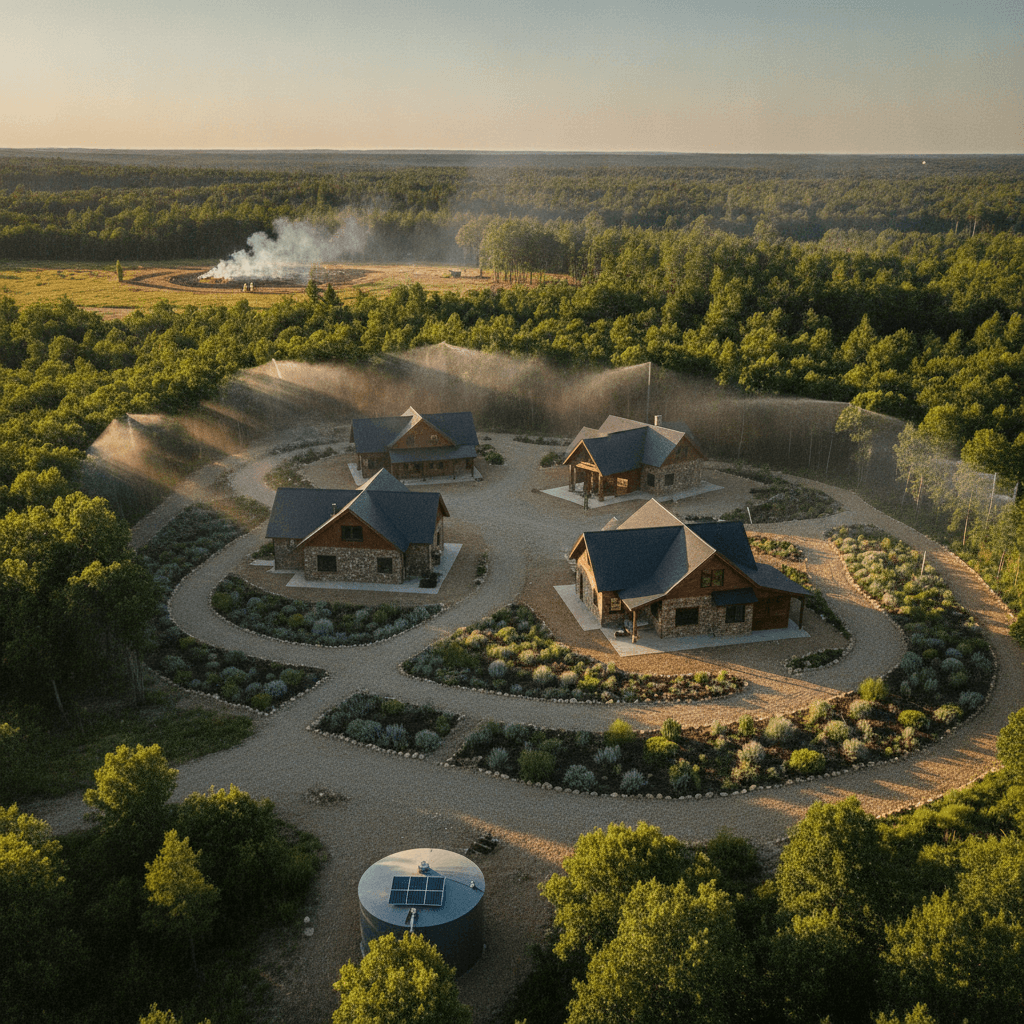
Building a defensible space is the most effective way to protect your rural home from wildfires. This involves clearing away flammable materials around your house. It creates a buffer zone that slows or stops fire spread. This zone also gives firefighters a safer area to work.
I usually recommend creating at least 100 feet of defensible space around structures. This distance can vary based on local regulations and the type of vegetation. You need to divide this space into distinct zones. Each zone has different management goals.
The goal is to reduce fuel load and break up continuous vegetation. This makes it harder for fire to reach your home. It also prevents your home from acting as a fuel source for fires moving further along.
Zone 1: Immediate Protection
This zone extends about 0-5 feet from your home. It includes the house itself any attached decks and other structures. I advise keeping this area absolutely free of anything flammable. This means no combustible plants woodpiles or outdoor furniture should be here.
Use non-combustible materials for landscaping in this zone such as concrete pavers or gravel. Keep gutters clear of leaves and pine needles. Ensure your roof is free of debris. Consider using fire-resistant siding and roofing materials for new construction or remodels.
Zone 2: Reduced Fuel Zone
Zone 2 stretches from 5 to 30 feet from your home. Here you want to significantly reduce the amount of fuel. I suggest thinning out vegetation. Remove dead plants and trim tree branches. Make sure there is at least a 6-foot gap between the ground and the lowest tree branches.
Keep grasses mowed short. Remove shrubs that are too close to each other. Prune trees to create good vertical and horizontal spacing. This prevents fire from climbing into the tree canopy. It stops it from spreading from one tree to another.
Zone 3: Extended Buffer Zone
This outer zone extends from 30 to 100 feet or more depending on the slope and vegetation type. Here you aim to interrupt the fire’s path. Thin out trees and shrubs even more. Create larger spaces between clumps of vegetation.
Remove small trees and shrubs that could carry fire from the ground to the tree canopy. Keep this area free of heavy accumulations of leaves and deadfall. Maintaining this zone makes a big difference in slowing down a fire. This gives firefighters valuable time.
Choosing Fire-Resistant Building Materials
The materials your home is built with play a major role in its ability to resist wildfire damage. I always stress the importance of using fire-resistant materials especially for roofs and siding. These choices can mean the difference between minor damage and total loss.
Many traditional building materials are highly flammable. Wood shake roofs for example can easily ignite from embers blown far ahead of a wildfire. Upgrading these materials is a significant investment but it offers long-term protection.
When I consult with homeowners on wildfire preparedness this is often one of the first areas we discuss. It is a foundational element of home hardening against fire. This approach secures the structure itself.
Roofing and Siding Options
For roofing I highly recommend Class A fire-rated materials. These include asphalt shingles metal roofing clay tiles and concrete tiles. These materials are designed to resist ignition from flying embers. Embers are a primary cause of home ignition during wildfires.
When it comes to siding consider materials like fiber cement stucco or treated wood. Fiber cement siding is a particularly good choice. It is durable non-combustible and available in many styles. Stucco offers excellent fire resistance. It is often used in fire-prone regions. If you use wood siding opt for fire-retardant treated lumber.
Windows and Vents Protection
Windows are often overlooked but they are vulnerable to radiant heat. Double-pane tempered glass is a good option because it can withstand higher temperatures. Metal screens on vents are also crucial. Embers can easily enter attics and crawl spaces through unprotected vents.
I advise installing fine mesh metal screens no larger than 1/8 inch. These screens prevent embers from getting inside your home. They still allow for proper ventilation. Protecting these openings helps keep your home safe from within.
Implementing Landscaping for Fire Safety
Effective landscaping does not just make your property look good. It also acts as a critical line of defense against wildfires. I focus on creating “fire-smart” landscapes. These use plants that are less likely to ignite or spread fire.
It is not about removing all vegetation. It is about careful selection and placement of plants. The right plants can actually help slow a fire down. This gives firefighters more time to respond. I have seen firsthand how well-planned landscaping can divert or diminish the intensity of a wildfire approaching a home.
Remember that even fire-resistant plants need regular maintenance. Dry dead vegetation regardless of species is always a fire risk. Regular pruning and cleaning are essential components of a fire-safe landscape strategy.
Choosing Fire-Resistant Plants
When selecting plants choose those with high moisture content. Look for plants that do not accumulate dead material easily. Deciduous trees and shrubs are generally better than conifers. They shed their leaves annually which reduces fuel load.
Good choices often include certain types of succulents specific shrubs and some perennial flowers. I recommend checking local resources for lists of fire-resistant plants that thrive in your climate. Avoid plants with waxy leaves or those that produce flammable oils.
Strategic Placement and Maintenance
Place taller more flammable plants further away from your home. Create breaks in your landscaping using hardscapes like rock gardens or paved paths. These breaks act as fire barriers. They stop fire from moving continuously towards your house.
Keep all plants healthy and well-watered when possible. This increases their moisture content and reduces flammability. Remove dead branches leaves and other debris regularly. This includes under trees and shrubs. Proper irrigation and cleanup are key to an effective fire-safe landscape.
Essential Emergency Planning for Wildfires
Even with the best preparations a wildfire can still threaten your home. That is why a solid emergency plan is absolutely critical. I always tell rural homeowners to prepare for the possibility of evacuation. You need to know what to do when minutes count.
Creating a family communication plan is a good starting point. This ensures everyone knows how to reach each other and where to meet. I also recommend having an emergency kit packed and ready to go. You never want to scramble for supplies when a fire is bearing down.
Practice your plan with your family. This helps ensure everyone knows their roles and responsibilities during an emergency. Being prepared mentally and physically reduces panic and improves safety outcomes. For more detailed rural wildfire prevention tips you should always consult your local fire department resources.
Evacuation Routes and Meeting Points
Identify at least two different evacuation routes from your home. Wildfires can block roads quickly. Knowing alternative paths is vital. Practice driving these routes. Be aware of any potential bottlenecks or hazards.
Designate a primary and a secondary meeting place outside the fire zone. This could be a friend’s house a community center or a relative’s home. Ensure everyone in the family knows these locations. They should also know how to get there independently if needed.
Emergency Kit Essentials
Your emergency kit should contain items for at least 72 hours. This includes food water first-aid supplies and important documents. I suggest packing copies of insurance policies identification and other vital papers.
- Three-day supply of non-perishable food and water
- First aid kit and essential medications
- Flashlight extra batteries and a hand-crank radio
- Copies of important documents and cash
- Personal hygiene items and sturdy shoes
- Blankets or sleeping bags
Keep this kit in an easily accessible location. Update it annually to ensure supplies are fresh and ready for use.
Maintenance and Ongoing Preparedness
Wildfire preparedness is not a one-time task. It requires continuous effort and regular maintenance. I often compare it to maintaining a car. You would not expect your car to run perfectly without oil changes or tire rotations. Your home’s fire defenses are similar.
Neglecting maintenance can quickly undo all your hard work. Vegetation grows back. Debris accumulates. Building materials age. A consistent schedule of checks and cleanups keeps your home protected year after year.
I make it a point to inspect my own property regularly. This helps me catch small issues before they become big problems. It is about staying proactive rather than reactive when it comes to wildfire safety.
Seasonal Checks and Cleanup
Perform seasonal inspections of your property. In spring clear out dead leaves and branches that accumulated over winter. In summer keep grass mowed short and ensure irrigation systems are working.
Fall is a good time to clear gutters and check tree health. Winter is important for planning any major landscaping changes. This consistent work ensures your defensible space remains effective throughout the year. It also ensures fire-resistant features are in good shape.
Equipment and Tool Readiness
Ensure you have the right tools for basic property maintenance. This includes shovels rakes pruning shears and chainsaws if you are comfortable using them. Keep these tools in good working order.
Maintain any water sources you have. Check hoses and exterior faucets. Make sure they are easily accessible and functional. A working water supply can be essential for putting out small spot fires or saturating areas before a fire arrives.
Advanced Technologies for Wildfire Defense
Beyond traditional methods new technologies offer homeowners additional layers of protection. I find it exciting to see these innovations emerge. They help rural communities defend against increasing wildfire risks. These tools can provide early warning and active suppression.
Some of these systems are becoming more affordable and accessible. They can be integrated into existing home setups. Exploring these options can give homeowners extra peace of mind and enhanced safety. I often research these new developments to offer the most current advice.
Home Sprinkler and Gelling Systems
Automated sprinkler systems can be installed on roofs and around the perimeter of homes. These systems activate when they detect a fire or can be turned on remotely. They soak the home and surrounding area with water. This helps prevent embers from igniting surfaces.
Some advanced systems use fire-retardant gels. These gels coat surfaces providing a barrier that can resist flames for hours. These systems are a significant investment. But they offer a powerful defense for properties in high-risk zones. They actively fight the fire before human responders arrive.
Remote Monitoring and Early Warning
Remote cameras and sensor networks are also becoming more common. These systems can detect smoke or small fires in their early stages. They send alerts to homeowners and emergency services. This early warning can be invaluable for evacuation or initial suppression efforts.
Drones equipped with thermal cameras can patrol perimeters. They can identify hot spots invisible to the naked eye. Integrating these technologies with smart home systems means you can monitor your property even when you are away. This allows for rapid response when a threat appears.
Protecting Your Rural Home Against Wildfires
The threat of wildfires to rural homes is a serious issue that demands careful attention and proactive steps. I have seen how effective preparedness can safeguard properties and lives. It truly makes a tangible difference in the face of nature’s raw power. Implementing defensible space strategies choosing fire-resistant building materials and adopting fire-smart landscaping are not just suggestions they are necessities for those living in wildfire-prone areas. These measures collectively build a resilient barrier around your home. They provide critical time and space for both residents and firefighters during an emergency.
Beyond physical defenses your emergency plan is perhaps the most personal and vital layer of protection. Knowing your evacuation routes having an emergency kit ready and communicating with your family about the plan are essential steps. These preparations ensure that when a wildfire strikes you can act calmly and decisively. I urge every rural homeowner to revisit these steps regularly and to make fire preparedness an ongoing priority. Your dedication to these practices protects not only your property but also the safety and well-being of your loved ones. Let us work together to keep our rural homes safe from the devastating impacts of wildfires. Start today by reviewing your property and making one change to improve its fire readiness.