


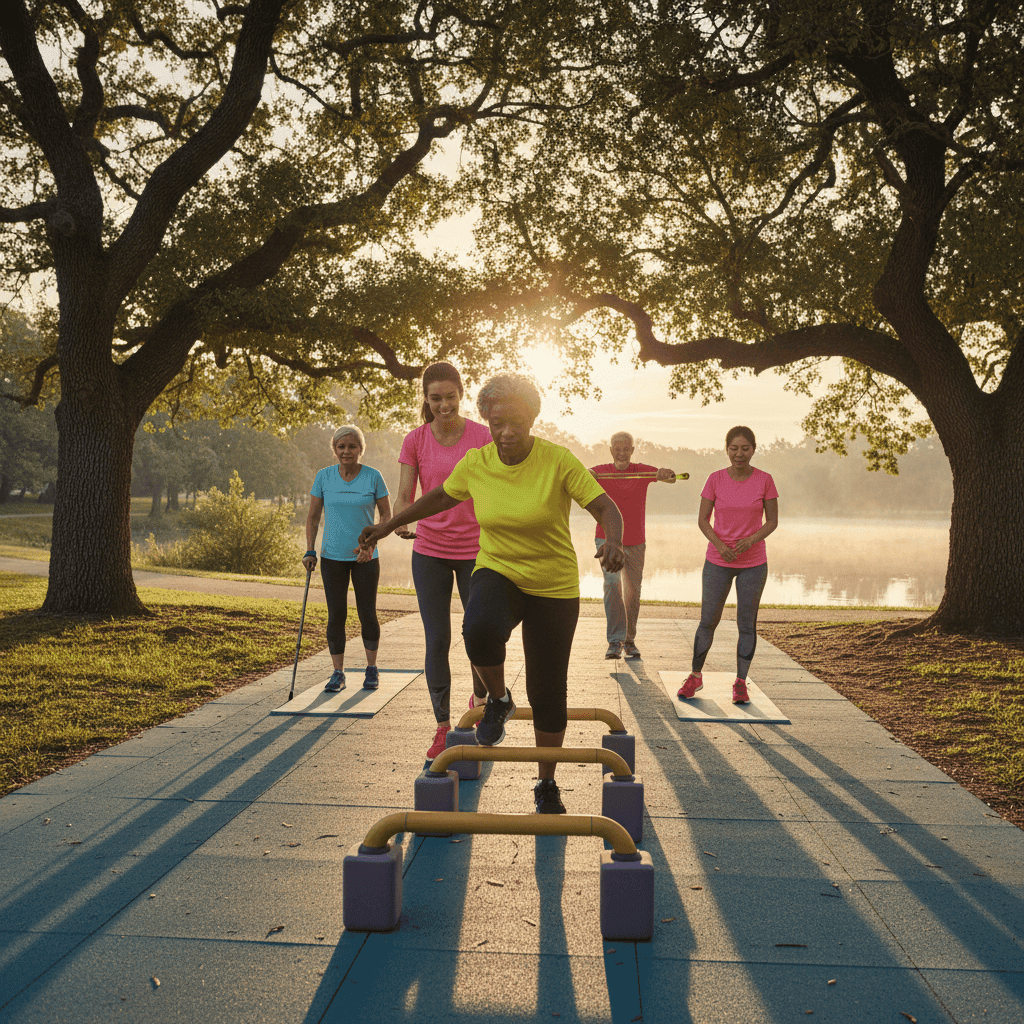
Staying active and safe is a top priority for many older adults and the people who care for them. As bodies change with age a thoughtful approach to movement, home layout, and daily habits can reduce risks and keep strength, balance, and confidence intact. This article looks at practical steps to overcome challenges senior fitness and safety so readers can take action with clarity and calm.
We will cover common barriers, simple exercise approaches, ways to lower fall risk, and how to work with health professionals and family members. Each section offers concrete tips you can use right away and examples that reflect real life situations. If you prefer a short checklist to follow after reading, there is a resources section with links to trusted material and programs.
Why Overcome Challenges Senior Fitness and Safety Matters
Physical activity affects more than muscles. It supports heart health, mood, sleep, and the ability to perform daily tasks. Safety measures reduce injury risk and support longer independence. When movement and safety are addressed together the result is better quality of life and fewer emergency visits.
For example a person who walks daily with a safe route and a focus on balance is less likely to fall, and if they do fall the chance of serious injury can be lower when mobility and bone strength are maintained. Small, steady improvements add up in ways that matter for daily living.
Common Challenges Seniors Face and How to Meet Them
Many older adults report joint pain, fatigue, poor balance, and fear of falling. These are normal concerns but they do not have to stop activity. Joint pain can often be managed with low impact options. Fatigue invites pacing and rest breaks. Fear of falling can be reduced with balance training and environmental changes.
- Joint discomfort Try water walking, cycling on a stationary bike, or structured chair sessions to keep moving without high impact on joints.
- Balance loss Short daily balance drills at the kitchen counter or seated single leg stands add up over weeks.
- Low motivation Pair activity with music, a social class, or a calendar habit to make movement part of the routine.
- Health limits Talk with a clinician about safe intensity and signposts for stopping when needed.
Effective Exercise Strategies to Overcome Challenges Senior Fitness and Safety
Design an exercise routine that mixes strength, cardio, flexibility, and balance. Each area contributes to safety and functional capacity. Aim for short sessions multiple times per week that build in progression and recovery.
Strength training tips
Resistance work preserves muscle and bone density. Use bands, light dumbbells, or body weight. Focus on compound moves such as sit to stand, wall push ups, and step ups. Start with one set of eight to twelve repetitions and increase as the move becomes easy.
Balance and flexibility
Stand near a stable surface and practice shifting weight, tandem walking, and gentle heel to toe steps. Add neck and ankle mobility moves to reduce stiffness. Flexibility can ease turning and reduce strain when reaching for items at home.
How to Reduce Fall Risk at Home and in Public
Many falls happen in the home where people feel safe. A quick safety sweep can cut hazards and give confidence when moving from room to room. Good lighting, stable handholds, and tidy pathways make a measurable difference.
- Remove loose rugs and tidy cords from walking paths.
- Install grab bars in bathing areas and a shower seat if standing is risky.
- Choose shoes with firm soles and a low heel for better traction.
- Keep frequently used items at reachable heights to avoid stretching or standing on stools.
When outdoors plan routes with even sidewalks and benches for rest. Use a cane or walking pole if balance is a concern. Training with a physical therapist can identify specific gait or strength issues and recommend targeted fixes.
Monitoring Health and Working with Professionals
Regular checkups and open communication with clinicians help match activity to current health. Blood pressure, heart rhythm, and medication effects can all influence what type of exercise is safe on a given day. A simple conversation about goals and constraints can set boundaries that allow steady progress.
What to tell your provider
Share changes in balance, recent falls, new soreness, or breathing difficulties during activity. Give an honest account of medications and supplements. Clinicians can suggest tests, physical therapy, or community programs that align with your situation.
How professionals can help
Physical therapists and licensed trainers who work with older adults design plans that improve mobility while limiting risk. They can show how to perform moves with good form and how to adapt activities if pain or fatigue occurs.
Practical Daily Habits That Support Fitness and Safety
Small routines build a foundation for larger gains. Consider these practical habits to incorporate into daily life to overcome challenges senior fitness and safety.
- Set a daily movement goal such as two ten minute walks or a 20 minute activity break mid day.
- Hydrate and have protein at meals to support recovery and muscle maintenance.
- Use calendars or alarms to schedule stretching and strength sessions so they become part of the day.
- Practice rising from the floor with a technique that reduces strain and trains recovery if a fall occurs.
An example routine could be morning flexibility and balance for 10 minutes, afternoon walk for 15 to 20 minutes, and light resistance work in the evening. Change the order to match energy patterns and medical guidance.
Motivation, Social Support, and Staying Consistent
Keeping up with a fitness plan is easier when there is a social element or when progress is tracked. Join a local class, partner with a friend, or use a simple journal to note movement and how it felt. Positive feedback from family can make adherence much more likely.
If travel or mobility is limited look for telephone check ins, neighborhood walking groups that meet a few times per week, or community center classes with shorter sessions. Adaptation is about matching the activity to current ability and building from that point.
Resources to Learn More and Take Next Steps
If you want a concise list of actionable pointers from professionals check a reliable summary of practical methods designed for older adults. This resource highlights step by step drills, safety checks, and ways to partner with a clinician senior fitness expert tips and can be a useful companion to the ideas in this article.
Local community centers and Y branches often run classes designed for older adults. Pharmacies and clinics sometimes host fall prevention sessions. A physical therapist can also offer a one time assessment that yields a personalized short plan to practice at home.
How to Start Today with Minimal Equipment
You do not need special gear to start moving safely. A sturdy chair, a resistance band, and a pair of supportive shoes cover many basic needs. Use household objects for light resistance such as a filled water bottle for arm work. The key is consistent practice and thoughtful progress.
- Sit to stand from a chair ten times twice a day to build leg strength.
- Stand on one foot near a counter for 15 to 30 seconds per side, repeat in sets.
- March in place for two minutes and rest. Repeat three times to build aerobic capacity.
Track how the body responds and adjust speed and load. If pain appears stop and try a gentler option or consult with a clinician before continuing.
Conclusion
Overcome Challenges Senior Fitness and Safety is a practical aim that pays dividends in daily freedom, reduced injury risk, and improved overall well being. By combining regular movement with home safety checks, medical oversight, and small consistent habits older adults can keep doing the activities they enjoy. Start by picking one small change to implement this week such as a short balance routine or removing a tripping hazard and build from there. If questions remain set up a visit with a physical therapist or primary clinician and consider joining a local class for social support and direction. Taking that first step is the most important action toward safer, stronger movement. Make a plan, share it with a friend or family member, and take one concrete action in the next seven days to move toward better fitness and safety.


