


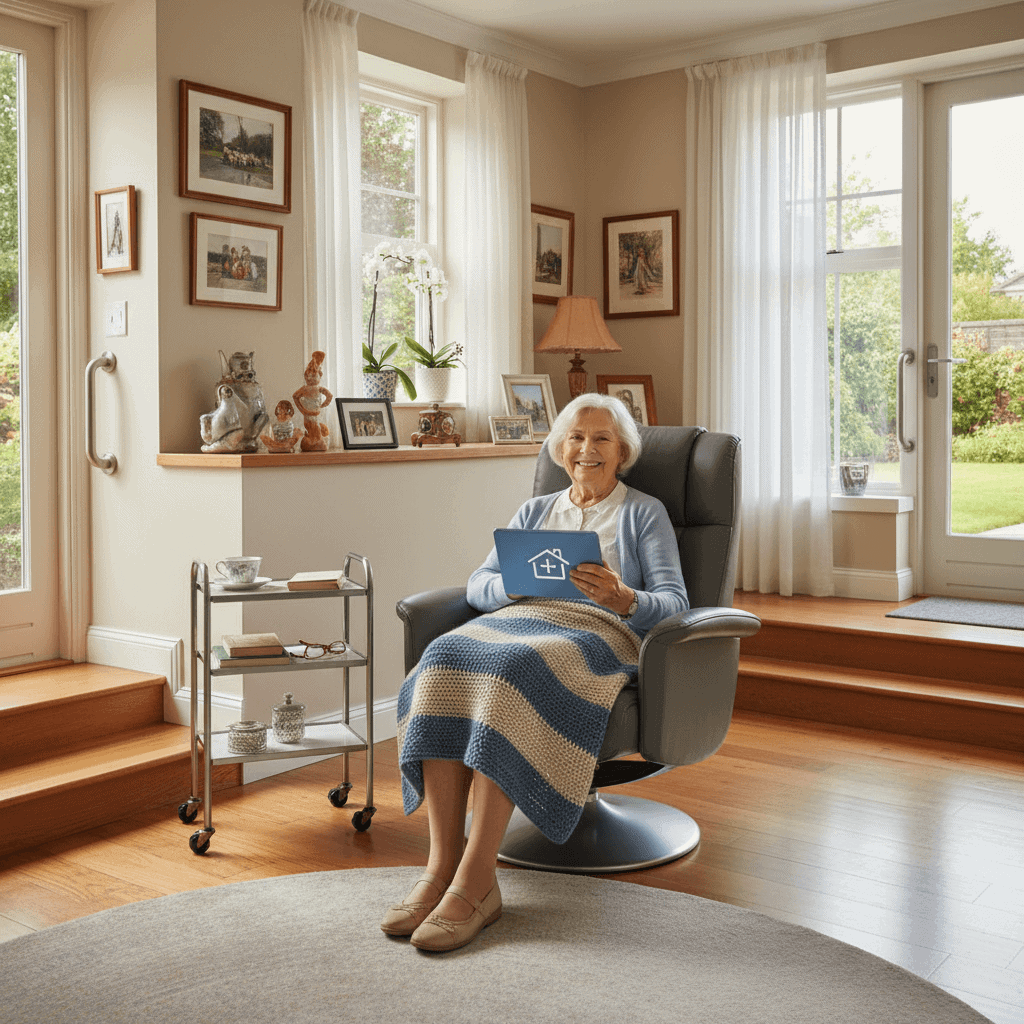
Creating a living space that fits the needs and preferences of older residents matters more than ever. Thoughtful changes can make daily life safer, more comfortable, and more enjoyable while preserving a sense of identity and dignity. This article walks through practical ideas that family members, caregivers, and seniors themselves can use to make a house feel like a secure and familiar home.
Below you will find design tips, low cost upgrades, organizational strategies, and communication ideas. Each section includes concrete examples and quick action steps so you can start making changes right away. The focus is on choices that improve independence and comfort without removing character from the rooms where someone lives.
Why personal touches matter for older residents
Personal items connect a person to memories and routines. When a space includes familiar photos, favorite colors, and meaningful objects it can reduce confusion and stress. For those with memory challenges, recognizable items act as gentle reminders of identity and relationships.
Beyond memory care there are practical benefits. When a home reflects the occupant it can encourage them to use rooms more, stay active within the home, and keep routines that support health. Small shifts in furniture placement or display can make a big difference in daily habits.
Practical design changes for safety and comfort
Safety upgrades do not have to look clinical. Simple changes can reduce fall risk and reduce the effort required to move around the house. Consider a room by room checklist and prioritize the items that address the most frequent challenges first.
Flooring and mobility
Slip resistant surfaces are important in entryways kitchens and bathrooms. Replace loose rugs with low pile carpeting that is secured in place. If hard floors are preferred choose materials with a matte finish to reduce glare and add traction. Remove trip hazards by clearing pathways and rearranging furniture so common routes have at least 36 inches of clearance.
Lighting and visibility
Good lighting reduces eye strain and lowers risk of missteps. Increase ambient lighting and add task lights near reading chairs and sinks. Use bulbs that match natural daylight in color temperature. Install night lights in hallways and bathrooms so nighttime movement is safer. Consider rocker switches or large lever handles that are easier to operate for hands with arthritis.
Memory cues and meaningful decor
Decor that supports memory uses landmarks and familiar motifs. Create a gallery wall of family photos labeled with names and relationships. A memory board by the front door can list appointments medications and important phone numbers in clear large type. Grouping cherished objects on a single shelf helps them stand out instead of blending into clutter.
- Place a favorite armchair near a window to invite sitting time and routine.
- Use scented items such as a familiar soap or a dried herb sachet to trigger pleasant memories during daily tasks.
- Label drawers and closets with words or images so finding clothing and utensils is quicker.
Color texture and furniture choices that feel familiar
Color and texture can make a space feel warm and reassuring. Soft fabrics on chairs and throws add comfort. Choose stable seating with firm support and arms that make standing up easier. When arranging furniture keep sightlines open to reduce the feeling of confinement and to maintain visual access to favorite items.
Use warm neutral wall colors combined with accent items in a person favored hues. Avoid busy patterns on floors that can create visual confusion. When buying new pieces prioritize comfort and durability over trends.
Technology that supports daily life without confusion
Technology can help with reminders communication and safety when chosen with simplicity in mind. Focus on devices that have clear displays simple controls and large buttons. One alarm clock with distinct labels for medications and appointments can reduce missed doses and scheduling errors.
Communication and emergency tools
Set up devices that let family members check in without overwhelming the resident. A single tablet or simplified phone with large icons for calling a few contacts can help maintain social connections. Consider a wearable device that sends location updates or an emergency alert without requiring complex interaction.
Routine supports
Programs that remind about medication or appointments should use friendly tones and repeat clear instructions. If introducing new equipment take time to demonstrate it in the context of daily routines and leave a printed one page instruction sheet in large type. Keep remote controls and chargers in consistent places so they are easy to find.
How to involve the person in decisions and preserve dignity
Involvement matters for acceptance. Ask open questions about what items are most important and which changes would feel respectful. Offer choices when possible for colors furniture and placement. For tasks that must change for safety explain the reason in plain language and show how the change will be helpful during normal routines.
When downsizing or moving help the resident select a few key pieces to keep and set a timeline for sorting the rest. Use respectful language and avoid making decisions behind the person back. Small victories like keeping a favorite lamp or plant can make transitions smoother.
Low cost upgrades that make a big difference
Not every improvement requires a major remodel. Small investments often produce high value in daily life. Swap out cabinet hardware for lever style pulls add non slip mats to tubs install brighter bulbs and place a sturdy chair in the shower area for comfort. Add a small rolling cart for laundry that reduces bending and makes transport easier.
- Label shelves and containers with large font for quick recognition
- Add a grab bar by the toilet and a handheld shower head for easier use
- Place a lightweight walker or cane near the most used chair
Resources and next steps for implementation
Start with a short home walk through to list the most pressing needs in order of frequency and risk. Bring a pen take photos and note places that cause hesitation or require extra effort. Involve a health professional if there are mobility or cognitive concerns that need formal assessment.
For practical project ideas and room by room recommendations visit a detailed resource that focuses on adapting spaces with respect and creativity. See senior home personalization for inspiration and step by step examples that you can adapt to your situation.
When planning work set realistic time frames and budget for one zone at a time. Start with changes that reduce the biggest risks and that offer immediate comfort. Keep a list of easy maintenance tasks such as switching bulbs testing smoke alarms and clearing gutters so the home remains safe and pleasant.
Communication with family and care partners will keep everyone aligned. Create a short plain language list of routines and location of important items. Store a duplicate copy of critical documents and emergency contacts in a clearly labeled folder so they are easy to find during stressful moments.
Conclusion
Designing a home that reflects an older person helps maintain routines preserve identity and reduce stress. Practical interventions include improving lighting and flooring adding memory cues and choosing furniture that supports standing and resting. Low cost choices and simple organizational systems are often the most effective first steps.
Involve the resident at every stage and make changes gradually so each adjustment feels manageable. Keep visible reminders of what matters most to them and use technology only when it is clear and simple. Start with a short walk through note the immediate hazards and one comfort that could be added this week. If you would like room specific suggestions or a simple checklist to follow consider reviewing targeted resources and sharing them with family members or professionals involved in care. Take one step today to make a living space safer and more reflective of the person who calls it home.